Types of Coffee Beans Explained for Beginners
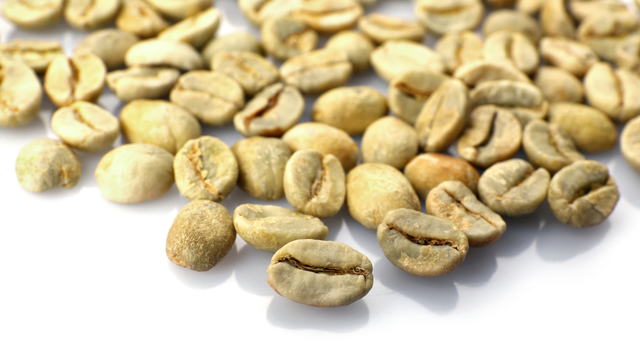
When referring to types of coffee beans, we’re talking about the species of coffee or the varieties used to make the coffee beverage we know today. Although there are over 120 different types of coffee species, only a few are grown for commercial-level coffee production.
If you’re new to the coffee world, terms like Arabica, Robusta, Liberica, and Excelsa can sound more complicated than they really are.
The two you’ll see most often are Arabica and Robusta. These make up the vast majority of coffee produced around the world. Although Liberica and Excelsa are much less common, they’re still worth knowing about because they’re a good comparison point to showcase just how much variety exists within coffee.
It’s important to distinguish between species and variety. There can be one species and multiple varieties of the same species. Arabica is a coffee species, while Bourbon, Typica, and Caturra are varieties within Arabica. This is important because it helps explain why two coffees within the same species can taste completely different.
Arabica Beans and Their Flavor Profile
Arabica is likely the one species most people are familiar with, especially if you’re into specialty-grade coffee. Arabica is grown throughout many coffee-producing regions, and one of the main reasons Arabica is so popular is the range of varieties you can get.
Depending on where the coffee is grown, processed, and roasted, you’ll find a variety of tasting notes. The same bean grown in East Africa will have a completely different tasting profile than one grown in Latin America. You’ll find notes that are fruity, floral, chocolate-forward, nutty, sweet, and bright.
In the Specialty Coffee world, Arabica is often used because it can offer a lot of complexity in the cup. However, the bean itself doesn’t guarantee a good cup of coffee. Good quality is still determined by how it’s grown, picked, processed, roasted, stored, and brewed.
Robusta and Its Strengths
Robusta is the second major coffee species recognized amongst coffee drinkers.
Flavor-wise, Robusta tends to be heavier than Arabica, with more bitterness and a more intense profile. This species also contains more caffeine, which is why it has a bold reputation.
Robusta is commonly used for espresso blends or even instant coffee, since it can add some serious body, intensity, and crema.
Like all types of coffee beans, however, quality depends heavily on how it’s grown and processed. Robusta does have agricultural advantages. It generally handles warmer growing conditions and is highly valued for its resilience compared to Arabica, which requires a bit more care.
Liberica and Excelsa Coffee Beans
Liberica and Excelsa are much harder to come across than your typical Arabica and Robusta, especially in the United States.
Liberica is produced in smaller quantities and is known for having larger coffee cherries and larger seeds. Its flavor profile can be different than what coffee drinkers are accustomed to.
Excelsa is another uncommon coffee that has been classified differently over time. It was first considered its own species, but in 2006 it was later reclassified as a variety of Liberica. However, because Excelsa tastes very different than Liberica, they’re still sometimes considered a different species. True Liberica beans are bigger and tend to taste woody and smoky, whereas Excelsa beans are much smaller coffee beans that tend to be fruity and tart.
Because these species are grown at small scale, most casual coffee drinkers may never run into either one unless you’re specifically looking for them.
For beginners, the main thing to remember is that Arabica and Robusta dominate the coffee market, while Liberica and Excelsa represent some of the niche species that exist in coffee.
How Altitude and Soil Create Differences in Coffee Beans
The types of coffee beans matter, but where it’s grown matters just as much, and makes an incredible difference.
Altitude, temperature, soil, shade, rainfall, and overall climate can affect how the coffee cherry develops. At higher elevations, cooler temperatures can slow the ripening of the coffee cherry. This slower development can contribute to a sweeter, more complex coffee bean.
Soil also plays a role because drainage, nutrients, organic matter, and overall soil health affect the coffee plant itself.
This is why the same Arabica coffee bean can taste different depending on where it was grown. The origin, variety, climate, processing method and roast can create very different, unique experiences in each cup.