What is a Latte? Here’s What You Need to Know
A cafe latte, also known as simply a latte, is one of the world’s most popular espresso drinks. It’s known for its smooth, creamy texture and balanced flavor that comes from the combination of steamed milk and espresso.
Lattes are often confused with other drinks like cappuccinos and flat whites because they feature the same ingredients. To learn more about lattes, what makes them unique, and how to make your own, continue reading.
What Is a Latte? Its Origins and How It Became a Coffeehouse Favorite
The word latte comes from the Italian caffè latte, which literally means milk coffee. On its own, latte means milk, so ordering a latte in Italy will typically result in a cup of milk.
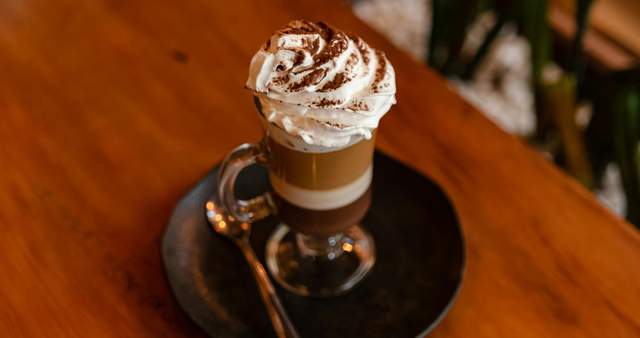
Outside of Italy, the term latte is synonymous with café latte, which is a coffee drink that combines espresso and steamed milk with a layer of milk foam on top. This results in a creamy beverage, especially when compared to other espresso drinks.
The latte, hot or iced, has become a staple in coffee shops around the world, but especially in North America. The coffee culture boom of the 1980s and 1990s in the United States ushered in new ways of preparing the latte while still maintaining the basics of espresso, steamed milk, and milk foam.
Baristas now use flavored syrups and latte art to create modern interpretations of this classic.
What Makes a Latte? Key Ingredients in a Café Latte
A traditional latte includes three main components:
- Espresso
- Steamed milk
- A thin layer of milk foam
To get the balance right, it’s recommended that you stick to a 1:3 or 1:4 espresso-to-milk ratio regardless of how many shots of espresso you use. Sticking to this ratio ensures that your final result is a smooth, balanced drink.
Whole milk is traditionally used in lattes, but low-fat, non-dairy, and other milk alternatives are now commonly used. Steamed milk is also used in traditional lattes, but iced lattes are a very popular option that uses cold milk instead.
There are endless customization options for lattes in modern coffee shops. Beyond different milk options and milk alternatives, flavored syrups are also very popular, with vanilla, hazelnut, and caramel lattes being commonly featured on coffee shop menus.
How Much Milk Is in a Latte?
Milk is a primary component of a latte because traditional lattes use a 1:3 or 1:4 espresso-to-milk ratio. Using a 1:3 ratio to make a 12oz latte means you would need 3 fluid ounces of espresso and 9 fluid ounces of steamed milk.
Because espresso tends to be quite strong, this amount of milk helps balance out the flavor. This results in a milder coffee flavor, a creamy mouthfeel, and less bitterness.
The type of milk you use will affect your final result. Whole milk creates the best foam and adds a natural sweetness because it contains fat and proteins. Plant-based milks like soy and almond tend to be more watery and aren’t ideal for creating foam. Oat milk, however, is a good plant-based option that foams well due to its starches and proteins.
How to Make a Cafe Latte: Step-by-Step Guide
To make your own latte, follow this recipe:
Ingredients:
- 3 fl oz espresso
- 9 fl oz milk
Steps:
- Using an espresso machine, pull a shot of espresso.
- Steam your milk and create a bit of foam.
- Gently pour your milk over your espresso and leave a layer of foam on top.
Additional Tips for an At-Home Latte
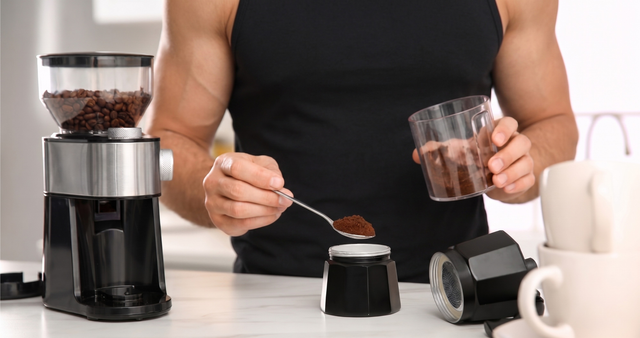
- If you don’t have an espresso machine, you can use a Moka pot, AeroPress, or strong brewed coffee for similar results.
- Milk temperature is very important because it ensures the natural sweetness of the milk is highlighted while preventing it from burning. For whole milk, keep it between 140℉ and 150℉, and for plant-based milks, between 130℉ and 140℉.
- Experiment with the flavor of your latte by mixing one to two tablespoons of flavored syrup directly into the espresso.
- Have fun with latte art to make your drink extra special. It can take a little bit of practice to get it right, but it’s an impressive skill that elevates your drink.
Latte Coffee vs. Cappuccino, Flat White, and Other Espresso Drinks
Many drinks have an espresso base, but what differentiates them is the ratio of coffee to milk and the amount of foam. Some drinks, like a macchiato, will have a more intense coffee flavor because they contain less milk, so it’s important to understand what balance you prefer.
Find your preferred espresso drink:
|
Drink |
Milk Quantity |
Foam |
Texture |
Coffee Intensity |
|
Latte |
High |
Light microfoam |
Smooth and creamy |
Mild |
|
Cappuccino |
Medium |
Thick, airy foam |
Light and frothy |
Medium to high |
|
Flat White |
Medium |
Light, velvety microfoam |
Silky and velvety |
High |
|
Macchiato |
Low |
Small spoonful of foam |
Bold with a touch of creaminess |
Very high |
Lattes are the recommended starting place for new coffee drinkers because they contain more milk, giving them a more balanced coffee flavor and a creamier texture.
Popular Latte Variations, Flavors, and Customizations
Because lattes are prepared using minimal ingredients, they are versatile and easy to customize. These are some of the most popular customizations:
Flavor
Flavored lattes are very common and easy to prepare with a couple of tablespoons of flavored syrup. Popular options include vanilla, caramel, hazelnut, and mocha. Popular seasonal flavors include pumpkin spice in the fall and peppermint in winter.
Milk
While whole milk is the most traditional option, low fat, lactose-free, and plant-based milks are popular substitutions. Some of these may not be ideal for creating foam, but they are great for those with milk sensitivities or specialized diets.
Temperature
Traditional lattes use steamed milk, but iced lattes have become a popular alternative, especially in the hot summer months. Rather than steaming your milk, pour cold milk over ice and float your espresso shot on top.