What Is Day of The Dead and How It Is Celebrated
Día de Muertos, or Day of the Dead, is a Mexican holiday that honors and remembers deceased loved ones. To learn more about its origins, traditions, and significance, keep reading.
What Is Day of the Dead?
Day of the Dead is a Mexican holiday that honors loved ones who have passed away.
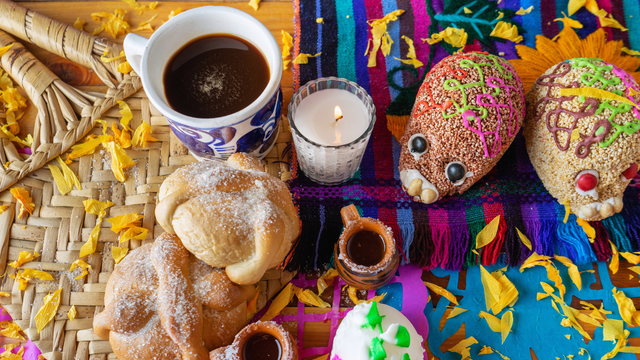
The holiday includes many traditions, including building an altar, preparing traditional foods, and visiting cemeteries. The altar includes traditional items that are significant to the holiday and to those who have passed on. These often include items like photos of loved ones, marigolds, candles, papel picado, and food.
Celebrations can vary across Mexico, with different regions maintaining their own customs and traditions. Families also develop their own traditions and ways of celebrating, so there is no single way to celebrate.
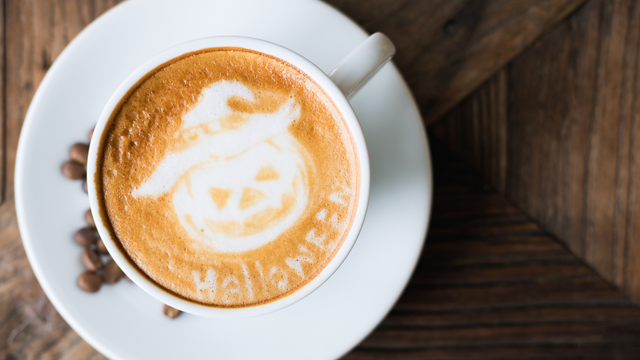
Although Day of the Dead is celebrated near Halloween and includes similar imagery, it isn’t Mexican Halloween.
When Is Day of the Dead? Dates and Mexican Origins
When is Mexican Day of the Dead:
- November 1st: All Saints’ Day - Commonly associated with remembering children who have passed away.
- November 2nd: All Souls’ Day - Dedicated to remembering and honoring adults who have passed away.
The origins of Day of the Dead trace back to ancient Aztec practices and the forced religious conversions at the hands of Spanish colonizers in the Americas.
The Aztecs held yearly celebrations for the Lady of the Dead, known as the queen of the underworld. These celebrations included symbols like skulls and marigolds and the belief that death was not the end.
When the Spanish arrived in the Americas, they fused these celebrations with their own Catholic holidays. The result was something closer to what we celebrate today, which includes the Indigenous beliefs and Catholic symbolism.
Why Day of the Dead Is a Sacred Mexican Holiday
For many Mexicans, death is not seen as the end of a person’s existence, but rather a continuation of it.
Some families believe their loved ones return during Day of the Dead, while others see it as more of a spiritual practice. Regardless, the holiday provides a space to warmly remember loved ones and celebrate the time they had in the physical world.
The most common Day of the Dead tradition includes building an altar that includes an ofrenda (an offering) and traditional items to welcome loved ones. Families also visit the graves of loved ones, often cleaning the site, offering gifts, and keeping them company on the day.
Building the altar and visiting the cemetery give families the time and space to intentionally remember deceased family members and keep them present. Families are able to grieve and celebrate the lives of those who have passed on, while also passing down stories through generations.
What Is an Ofrenda and What Goes On It?
Day of the Dead altars are impressive structures that feature traditional symbols and personal items that relate to deceased loved ones. The items on the altar make up the ofrenda.
The altar usually contains multiple levels, symbolizing the different steps the spirit must pass on its journey. This can vary based on beliefs or by how much space you have available. Each level includes different items, some meant to guide the spirit home and others to welcome the spirit.
To welcome the spirits home, the ofrenda can include:
- Photographs of the loved ones who are being welcomed and honored.
- Food and drinks, especially the favorite meals of those who have passed, and their favorite drinks, including coffee, alcohol, and water.
- Personal items that belonged to the deceased or that symbolize their favorite hobbies and interests.
Traditional items meant to guide spirits home include:
- Candles to light the way.
- Incense to help purify the space and draw the spirits home.
- Marigolds or cempasúchil are used for their bright color and scent to call the spirits.
- Sugar skulls to represent the souls of those who have passed.
- Papel picado to represent wind and the delicate nature of life.
There are many more objects and symbols you may see on altars and ofrendas because celebrations can vary by region and personal beliefs.
Traditional Day of the Dead Decorations and Symbols
The Day of the Dead Mexican holiday brings with it very vibrant and colorful decorations that go along with the celebration. Many of the symbols and decorations associated with the holiday are found on altars and used to decorate the home and public spaces.
The month of October in Mexico is a colorful and vibrant occasion thanks to the traditional decor, which includes:
- Papel picado: Delicate paper banners with artistic cutouts
- Marigolds: Orange and yellow marigolds are found on altars, but also as decor in homes, shops, restaurants, offices, and public spaces
- Sugar skulls: Skulls made of sugar and decorated with colorful icing, often featuring the name of a deceased loved one
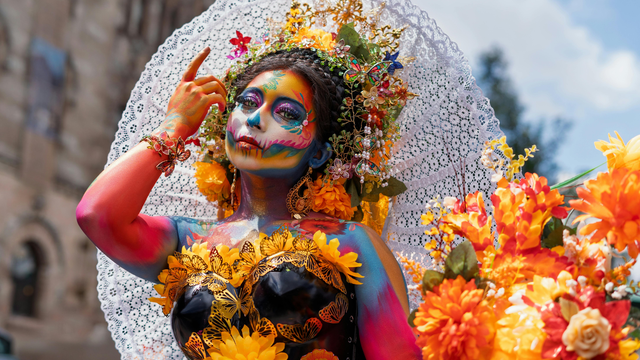
- Catrinas: The skeletal figure of a woman wearing a big hat, associated with traditional Mexican art and culture
All of these decorations have meaning behind them and are part of the holiday’s focus on honoring deceased loved ones while also celebrating their lives.
How Families Celebrate Day of the Dead Today
There are many ways to celebrate the holiday, with many mixing traditional and contemporary practices.
The most common activities include preparing an ofrenda, cleaning and decorating gravesites, and gathering at home or at the cemetery to remember loved ones.
Traditional holiday food and drinks, like pan de muerto and café de olla, are prepared during this time of year. There are also public celebrations, like parades and festivals.
Many Mexicans living abroad keep this tradition alive in their homes, no matter where they live, as way of preserving their cultural heritage and passing it down.