What Is Filtered Coffee & How to Make One
Filtered coffee is one of the most widely consumed beverages in the world. Most people have been drinking it their entire lives without calling it that. Make drip coffee at home and you have made it.
What is a Filter Coffee and Its Meaning
Filter coffee is any brewing method where hot water passes through ground coffee and a filter (paper, metal, or cloth) before collecting in a cup or carafe. The filter separates the grounds from the drink, producing a clean, clear cup with no sediment.
What is filter coffee in terms of taste? Lighter in body than espresso and less cloudy than a French press. The filter removes most of the coffee oils, giving filtered coffee its brightness and clarity. The flavor of the coffee, including its origin, roast, and grind, comes through directly. It is the brewing method that rewards good coffee most honestly.

All Coffee
For nearly three decades, Mayorga has been dedicated to connecting coffee lovers with delicious, 100% organic, specialty-grade coffee at a fair price — while creating meaningful market access and better,...
Filter Coffee Origin and History
Filter coffee origin traces back to Germany in 1908. Melitta Bentz, frustrated by the bitterness of boiled coffee, cut a piece of blotting paper from her son’s notebook and placed it in a brass pot with holes in the bottom. The result was a cleaner, less bitter cup. Her filter addressed both problems at once.
The drip method spread across Europe and North America through the mid-twentieth century and became the dominant home brewing method in the US by the 1970s.
Equipment You Need to Make Filter Coffee
Making filtered coffee requires minimal equipment.
Filter: paper filters are the most common. Rinse unbleached filters before use to remove any papery taste. Metal filters let more oils through for a richer cup.
Dripper or brewer: a pour-over dripper like a V60 or Chemex holds the filter over the cup. An automatic drip machine does the same with less effort.
Kettle: a gooseneck kettle gives better pour control for manual brewing. A standard kettle works for machines.
Ground coffee: medium grind for most filter methods. Too fine and the water drains slowly and over-extracts. Too coarse and it under-extracts.
Scale: optional. Consistent ratios produce consistent results.
How to Make Filter Coffee Step by Step
This works for a standard pour-over dripper and any manual filter setup.
Boil water and let it cool thirty seconds to one minute. Target temperature is 195 to 205 degrees Fahrenheit. Boiling water scorches the grounds.
Rinse the paper filter. Place it in the dripper over your cup or carafe, pour hot water through to remove any paper taste and preheat the vessel. Discard that water.
Add one gram of coffee per fifteen to sixteen grams of water. For a twelve-ounce cup, that is roughly twenty-two grams of coffee.
Bloom the grounds. Pour just enough water to saturate the grounds, about twice the weight of the coffee, and wait thirty to forty-five seconds. This releases carbon dioxide and allows for even extraction.
Pour slowly in steady circles, filling in stages. Total brew time for a single cup should be three to four minutes.
Remove the dripper and drink immediately.
Filtered Coffee vs Espresso and French Press
Filtered coffee, espresso, and French press each produce a fundamentally different cup.
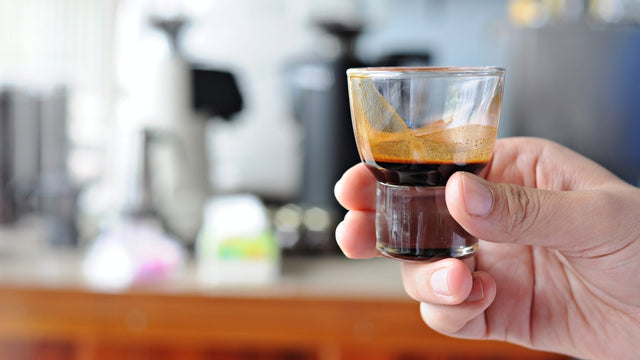
Espresso uses pressure to force hot water through finely ground coffee in twenty to thirty seconds. Concentrated, dense, the base for lattes, cappuccinos, and most cafe drinks.
French press uses full immersion, where the grounds steep in hot water for four minutes before a metal mesh plunger separates them. No paper filter means the oils stay in the cup. Heavier, richer, often with fine sediment at the bottom.
Filtered coffee sits between the two. Lighter than French press, less intense than espresso, and the cleanest cup of the three. For tasting the nuances of a specialty grade coffee: fruity, floral, bright notes, chocolate, etc; filter coffee is the most revealing method.
Tips to Improve the Taste of Filtered Coffee
Small adjustments make a significant difference. Use fresh coffee. Grind just before brewing and within two to three weeks of the roast date. Control water temperature. Brewing at temperatures that are too low can lead to under-extraction and sour flavors, while excessively high temperatures can contribute to over-extraction and bitterness.
Rinse the paper filter. Skipping adds a papery note most people blame on the coffee.
Adjust the grind. Sour cup: grind finer. Bitter cup: grind coarser. The two most common filtered coffee problems and the easiest to fix.
Use filtered water. Tap water with high mineral content or chlorine affects the flavor more than most people expect.