Whole Bean vs Ground Coffee: What's the Real Difference?
The choice between whole bean vs ground coffee comes down to one thing: freshness. Everything else, flavor, aroma, complexity, follows from that. This guide breaks down everything you need to know about whole bean vs ground coffee, how they differ, and what makes sense for your routine.
What is Whole Bean Coffee and How It Is Used
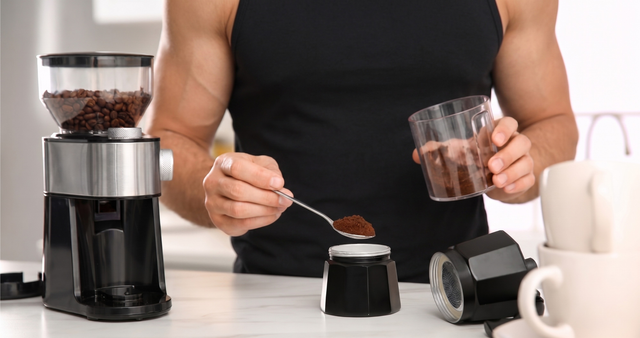
What is whole bean coffee? It is coffee in its most intact form after roasting. The beans have been dried, processed, and roasted, but not yet ground. To brew it, you need a grinder. That extra step is exactly what makes it worth it.
When coffee is ground, it immediately begins losing the volatile compounds that carry aroma and flavor. Whole beans protect those compounds until the moment you grind them. The result is a cup that tastes more complex and closer to what the roaster intended.
At Mayorga, all of our coffees are available as whole bean. From Cubano Roast to Buenos Días to our single-origin offerings, whole bean is the format we recommend for anyone who wants the full experience of what we roast.
What is Ground Coffee and How It Differs from Whole Beans
What is ground coffee? It is whole bean coffee that has been milled into particles before packaging or brewing. The grind size varies depending on the brewing method, but the defining characteristic is that the process has already happened before it reaches you.
Ground coffee is more convenient. No grinder required. But convenience has a cost. Once ground, coffee begins oxidizing quickly. The surface area exposed to air increases dramatically, and the compounds that give coffee its character start breaking down within hours. Pre-ground coffee sold in sealed bags slows this but does not stop it. By the time most pre-ground coffee reaches your cup, some of its potential is already gone.
Whole Bean vs Ground Coffee: Key Differences Explained
The core difference in whole bean vs ground coffee is what happens to the coffee after it leaves the roaster.
Freshness: Whole beans stay fresh significantly longer. Properly stored whole beans hold their peak flavor for two to four weeks after opening. Ground coffee peaks within one to two weeks and degrades faster once exposed to air.
Flavor: Whole bean produces a more complex, aromatic cup because grinding happens right before brewing. The volatile compounds responsible for brightness, sweetness, and depth are still intact.
Convenience: Ground coffee wins here. No equipment needed beyond a brewer. For households where speed matters more than maximum flavor, it is a reasonable trade-off.
Control: Whole bean lets you adjust grind size based on your brewing method. Ground coffee locks you into whatever grind was chosen at processing.
For anyone serious about coffee, whole bean vs ground coffee is not a close call.
Difference Between Coffee Beans and Ground Coffee in Terms of Freshness and Flavor
The difference between coffee beans and ground coffee becomes most obvious in the cup.
Freshly ground coffee releases CO2 locked in during roasting. That release, visible as the bloom when you first add water, signals that the coffee still has its aromatics intact.
In practical terms, the difference between coffee beans and ground coffee means a fresher grind produces more aroma, a fuller bloom, and a more layered flavor. Subtle differences in acidity, sweetness, and finish that distinguish one origin from another are harder to taste in pre-ground coffee because those characteristics fade fastest after grinding.
This is why at Mayorga we roast in small batches and recommend grinding fresh. Our Artesano Blend, Cubano Roast, and single-origins like Colombia Santa María and Peru Amazonas are built around specific flavor profiles that whole bean brewing preserves best.
Is Whole Bean Coffee Better Than Ground Coffee for Home Brewing
Is whole bean coffee better than ground for home brewing? For most people, yes. A basic burr grinder costs less than most people spend on coffee in a month, and the difference is immediate.
Pre-ground coffee is not bad coffee. But is whole bean coffee better than ground when you want to taste what a specific farm or roast has to offer? Yes. If you are buying quality coffee, grinding fresh is the most straightforward way to make sure you are actually tasting it.
Do you Get More Coffee From Beans or Ground Coffee
Do you get more coffee from beans or ground coffee? By weight, they are equivalent. One gram of whole beans produces one gram of ground coffee.
The difference is not in yield but in what you taste.
Freshly ground coffee extracts more efficiently because its compounds are still intact, producing a fuller cup from the same amount of coffee. So do you get more coffee from beans or ground in terms of flavor and value? Whole bean, every time!