What is a Ristretto Coffee & How to Make it
Ristretto is the most concentrated espresso-based drink you can make. Same coffee, half the water.
What Is a Ristretto Coffee and Ristretto Meaning
Ristretto means “restricted” in Italian. The ristretto meaning in practice is a restricted espresso shot pulled with less water, typically 15 to 20 milliliters instead of the 25 to 30 milliliters of a regular espresso.
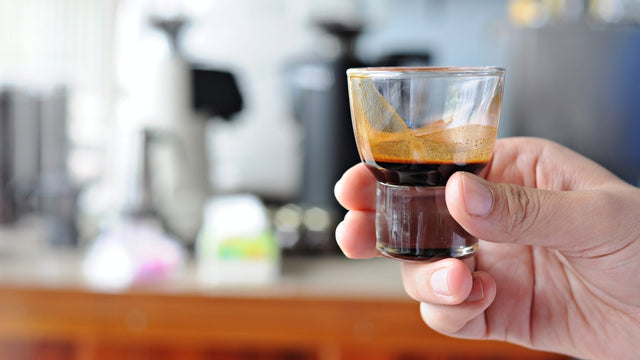
What is a ristretto coffee in terms of experience? A small, syrupy, intensely flavored shot that delivers the first and best of what the coffee has to offer. The extraction stops before bitter and astringent compounds enter the cup. What remains is concentrated sweetness and complexity in less than half the volume of an espresso.

Todo el café
Mayorga se fundó hace 23 años con la premisa de que podemos ser el conducto para brindarles a los consumidores un delicioso café orgánico a un excelente precio, al mismo...
What is a Ristretto Shot and Its Italian Origin
The ristretto shot comes from Italian espresso culture, where the relationship between extraction time, volume, and grind is taken seriously. Italian baristas developed it to capture only the first portion of the extraction, where the most soluble, most flavorful compounds release first.
What is a ristretto shot in practice? It uses the same dose as a standard espresso, typically 7 to 9 grams for a single, pulled with roughly half the water in 15 to 20 seconds.
A full espresso extracts a longer range of compounds, including some that add bitterness. The ristretto shot ends the extraction early and keeps the cup clean.
Difference Between Ristretto and Espresso
The difference between ristretto and espresso is volume and extraction, not dose. Both use the same amount of ground coffee.
A standard espresso pulls 25 to 30 milliliters. A ristretto pulls 15 to 20.
In an espresso, the full range of compounds is extracted, first the fruity and sweet notes, then the heavier, more bitter ones. The difference between ristretto and espresso is that ristretto stops before bitter compounds extract in significant volume. The result is sweeter, more concentrated, and less sharp. Ristretto typically has a more concentrated body and can feel thicker and more syrupy than a regular espresso. The flavor is more forward. For milk-based drinks; lattes, cappuccinos, flat whites, ristretto cuts through milk more cleanly and leaves a more distinct coffee flavor. Many specialty cafes pull ristretto as their default shot for that reason.
Flavor and Strength Profile of a Ristretto
Ristretto tastes sweeter than espresso. The compounds that extract first are the soluble sugars and fruity acids. A ristretto captures those and stops before the bitter compounds follow. What you taste: dark fruit, caramel, chocolate, and a sweetness that lingers without turning sharp. The body is thick, with very little of the drying finish a long espresso sometimes carries.
Strength is a separate question. Ristretto coffee is more concentrated than espresso, with the same amount of coffee dissolved in less water, but it contains slightly less caffeine because caffeine extracts progressively. A shorter pull means less caffeine, not more. If strong means intense flavor and a thick body, ristretto wins. If strong means maximum caffeine, pull longer.
How to Make a Ristretto at Home Step by Step
Making a ristretto at home requires an espresso machine or a pressurized brewing device.
Start with your standard espresso dose: 7 to 9 grams for a single, 14 to 18 for a double. Grind slightly finer than for espresso to slow the extraction and compensate for the reduced water volume.
Tamp with standard pressure. Place the portafilter and start the pull.
Target 15 to 20 milliliters in 15 to 20 seconds. Watch the output, not the clock. When the shot lightens in color, shifting from dark amber to pale yellow, stop. That color shift signals the sweet compounds are spent and bitterness is beginning to emerge.
If the shot tastes sour, grind finer. If it tastes bitter, you pulled too long; stop earlier this time.
Drink immediately. Ristretto coffee does not hold. Crema breaks fast.
Popular Drinks You Can Build With Ristretto Coffee
Ristretto coffee works in any drink that calls for espresso.
Ristretto latte: one or two ristretto shots, steamed milk, light foam. The ristretto cuts through milk with more clarity than a standard espresso shot.
Flat white: built for ristretto. Two shots, microfoam only, small cup. The drink originated in Australia and New Zealand to showcase concentrated espresso flavor.
Ristretto tonic: one shot over ice and sparkling tonic water. The sweetness of the ristretto and the bitterness of the tonic work against each other. Simple and sharp.
Iced ristretto latte: double ristretto over ice, topped with cold milk. Cleaner coffee flavor than a standard iced latte.