What Is an Espresso Coffee? Learn About This Classic Brew
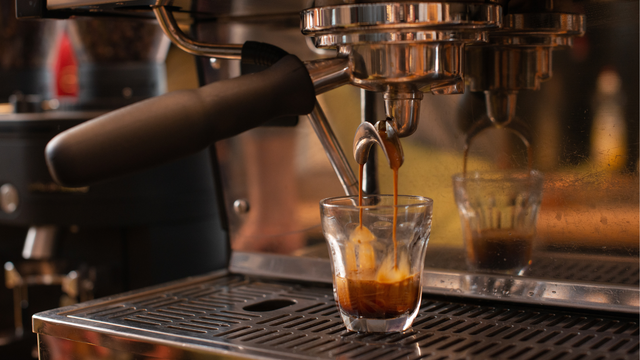
The term espresso refers to a brewing method and the concentrated coffee it produces rather than a type of coffee or a specific roast. Espresso is made by forcing hot water under pressure through finely ground coffee. It results in a small, concentrated cup of strong, flavorful coffee with a layer of crema on top.
If you’re wondering, “What is an espresso coffee?”, or you want to learn how to make this flavorful cup at home, keep reading to learn more.
What Is in Espresso Coffee and the Role of Crema
If you’re still wondering what is an espresso coffee, the ingredients are surprisingly simple. Traditional espresso contains only ground coffee and water. You can add milk, syrups, and other add-ins to make an espresso-based drink, but these are not part of the actual espresso.
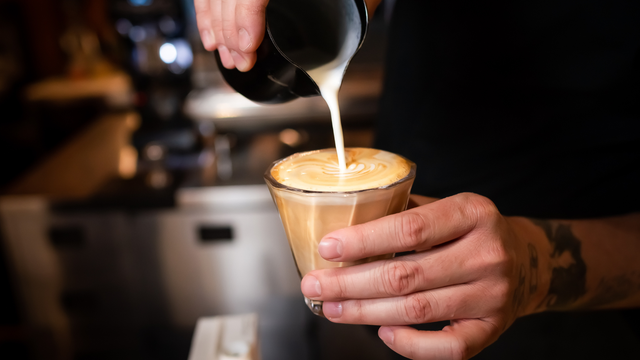
The ingredients for espresso are minimal and the amount of water used is relatively small, resulting in a concentrated cup that has a fuller body and a strong coffee taste. The serving size is small, but you can sip this on its own or dilute it with other ingredients. Popular options include mixing espresso and milk for a latte or espresso and tonic water for an espresso tonic.
Another key component of espresso is the crema. This is the golden foam that forms on top of a freshly pulled espresso shot as the pressure releases gases trapped in the coffee, forming tiny bubbles on the surface. Freshly roasted coffee generally produces more crema because it has more gases still trapped in the coffee.
How to Prepare an Espresso With a Machine
If you have an espresso machine at home, making an espresso shot is easy. Follow these steps to pull a great tasting shot:
- Preheat your machine and portafilter to retain a consistent brewing temperature.
- Measure out 7-9 grams of coffee for a single shot or 18-20 grams for a double shot.
- Grind your coffee so that you end up with a fine grind.
- Evenly distribute your ground coffee in the portafilter to ensure even extraction.
- Tamp the coffee grounds, focusing on getting them even rather than on force.
- Lock in the portafilter and start brewing.
- Aim for a 1:2 coffee-to-espresso ratio. For example, if you started with 18 grams of ground coffee, aim to produce roughly 36 grams of espresso. This should take 25-30 seconds.
- Taste your fresh espresso and take notes for future adjustments.
How to Make Espresso Without a Machine at Home
To make true espresso, you need the pressure produced by an espresso machine. You can brew espresso-style concentrated coffee without an espresso machine, but it won’t technically be true espresso.
Some options you can use to make espresso-style coffee include:
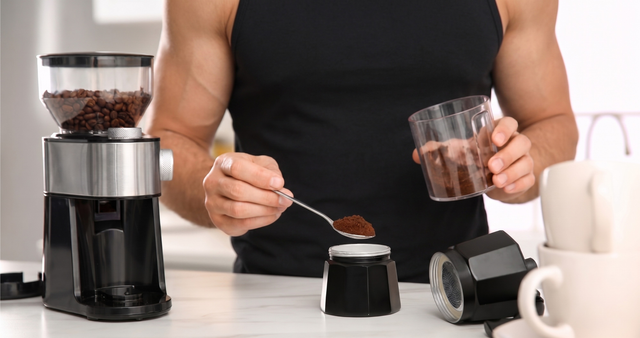
- Moka pot: An accessible option that produces small, strong, concentrated coffee on the stovetop. This method uses steam pressure, but it doesn’t reach the same level of pressure as a traditional espresso machine.
- AeroPress: A popular option that makes a concentrated cup by using a fine grind, hot water, and a short brew time, but isn’t as concentrated as espresso.
- Manual espresso maker: A more affordable option for making traditional espresso at home, but requires more manual work and has a higher learning curve.
To get the best espresso-inspired flavor regardless of method, always use fresh coffee, grind your coffee finely, and reduce the amount of water you use. Experiment with different options and techniques to get the rich, concentrated flavor you’re after.
How to Brew Espresso With the Right Dose and Ratio
Getting a balanced espresso shot starts with getting three variables right:
- Dose: The amount of dry coffee you use.
- Yield: The amount of brewed espresso produced.
- Brew ratio: The relationship between the two previous variables. A common ratio is 1:2, or 18 grams of coffee to produce 32 grams of espresso.
Weighing your coffee and espresso can help you produce a more consistent brew, but there’s no universal ratio you have to stick to.
Signs of a Good vs Bad Espresso Shot
If you’ve never had espresso before or you simply don’t know what to look for when making your own, these are some signs that will let you know if you pulled a good shot.
Signs of a well-brewed espresso:
- Balanced flavor, not sour or bitter
- Noticeable sweetness, depending on the coffee
- Full, smooth body
- Nice aroma
- Pleasant flavor that lingers
- The presence of at least some crema
Signs of espresso that can be improved, and how to improve it
- Sour, thin, or weak
- This can be the result of under-extraction, which can mean your grind is too coarse, your water is too cold, the coffee-to-water ratio is off, or your shot is running too quickly.
- Bitter, dry, or harsh
- This can point to over-extraction, which can result from too fine of a grind, water that is too hot, or the shot may be running too long.
- Uneven or inconsistent results
- This can be due to uneven coffee distribution in the basket, inconsistent grind size, or inconsistent dose.
Understanding what is an espresso coffee and how each brewing variable affects it can help you make small adjustments until you get the flavor and balance you prefer.