What Is Blonde Roast Coffee? Everything You Need to Know
Blonde roast coffee sits at the lightest end of the roast spectrum, and it has developed a dedicated following among people who want their coffee bright, clean, and fruit-forward rather than dark and bold.
What Is a Blonde Roast Coffee and Its Meaning
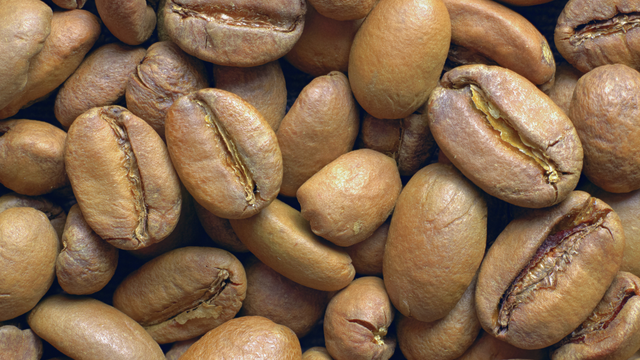
What is a blonde roast coffee? It is coffee roasted to a lighter color than standard light roast offerings from the pale, golden-brown color of the beans; lighter than what most people associate with coffee.
Blonde roast as a term was popularized by Starbucks to describe its lightest roast offering. Outside of that context, what is a blonde roast coffee is essentially a marketing term for light roast, roasted just past the first crack, at internal temperatures between 355 and 400 degrees Fahrenheit. The result is a denser bean that retains more of the original character from its origin.
Blonde Roast vs Medium and Dark Roast
Blonde roast is the lightest, roasted at the lowest temperature for the shortest time. It retains the most origin flavor: the soil, altitude, and processing method of where the coffee was grown are most clearly expressed here. Body is lighter and acidity is higher than both medium and dark roasts.
Medium roast develops more roasted sweetness and body while still preserving meaningful origin character. Acidity is lower and the cup is more balanced overall.
Dark roast is roasted longest at the highest temperature. Roast flavor dominates: chocolate, smokiness, bitterness, and origin character becomes harder to taste. Body is fullest and acidity is lowest.
Blonde roast coffee is not weak coffee. It is a different flavor experience that trades body and roasted depth for brightness, complexity, and natural origin character.
Flavor Profile of Blonde Roast Coffee
The flavor profile of blonde roast coffee is defined by brightness rather than boldness.
Typical notes include citrus, light fruit, floral undertones, and a clean, sweet finish. Acidity is noticeable, bright and crisp, and the body is lighter than medium or dark. Flavors shift depending on origin. Latin American blonde roast coffees tend toward caramel, mild fruit, and a sweet finish. African origins often show more pronounced floral and berry notes.
The key difference from a darker roast is that these origin flavors are not obscured by roast-driven bitterness. For someone accustomed to dark roast, blonde roast coffee can taste noticeably different, lighter and more acidic. For someone who finds dark roast too heavy, it often becomes their preferred daily cup.
What Is a Blonde Espresso
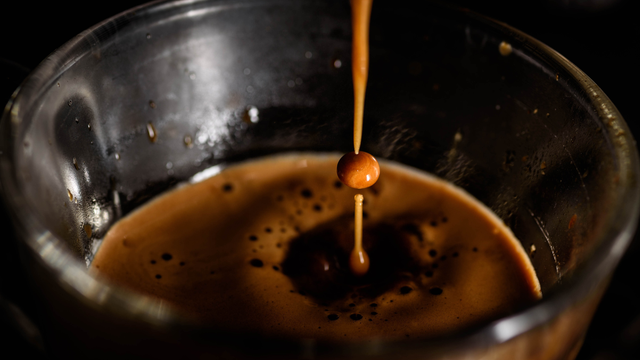
What is a blonde espresso? It is espresso made using lightly roasted beans rather than the dark roast traditionally used for espresso. The result is a significantly different shot, brighter in flavor, higher in acidity, without the heavy, roast-forward bitterness of a standard espresso.
Blonde espresso beans are typically Arabica from origins known for brightness, Latin America and East Africa are common sources. When extracted as espresso, they produce a shot with more complexity and fruit-forward bitterness of a standard espresso.
Blonde espresso beans are typically Arabica from origins known for brightness, Latin America and East Africa are common sources. When extracted as espresso, they produce a shot with more complexity and fruit-forward notes.
Blonde espresso became widely known after Starbucks introduced it as a menu option. In a latte or cappuccino, it changes the balance of the drink, the lighter flavor comes through more clearly against the milk, which some people prefer and others find unexpected.
Caffeine in Blonde Roast vs Dark Roast
One of the most persistent myths about coffee is that dark roast has more caffeine. The opposite is slightly true.
Caffeine degrades slightly during roasting. Because blonde roast coffee is roasted for less time at lower temperatures, it retains marginally more caffeine per bean than dark roast. The difference is small but measurable.
The practical caveat: caffeine per cup depends more on brew ratio and serving size than roast level. Roast level is not the primary variable when it comes to how much caffeine ends up in your cup, how much coffee you use is.
How to Brew Blonde Espresso Beans
Brewing blonde espresso beans requires slightly more attention than a dark roast because the lighter roast is more sensitive to extraction variables.
Water temperature: 200 to 205 degrees Fahrenheit. The higher end of that range helps extract the more complex compounds in lightly roasted beans.
Grind size: medium-fine for espresso. Blonde espresso can taste sour if under-extracted. If the shot pulls too fast or tastes sharp, go slightly finer.
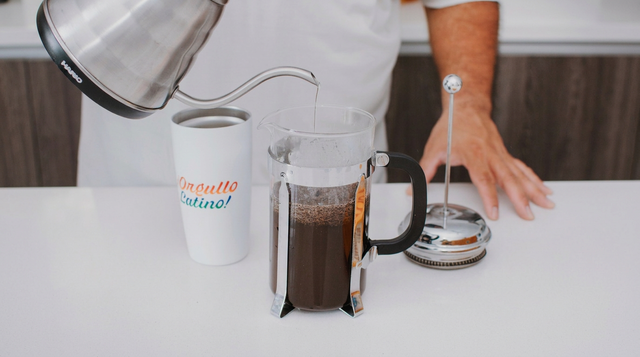
Extraction time: 25 to 30 seconds. For drip or pour over, treat blonde roast coffee the same as any light roast: 200 to 205 degrees, medium-fine grind, and a 1:15 ratio as a starting point.