Mexican Coffee: Flavor, Regions & What Makes It Special
Mexican coffee does not get the same attention as Colombian or Ethiopian origins, but it deserves to. The southern highlands of Mexico produce some of the most balanced, naturally sweet coffees in Latin America, shaped by altitude, biodiversity, and farming communities with deep roots in the land.
What Is Mexican Coffee and Its Cultural Roots
What is Mexican coffee? It is coffee grown primarily in the southern states of Mexico, where indigenous communities have cultivated it for generations as both a livelihood and a cultural practice. In Mexico, coffee is tied to land rights, indigenous identity, and community survival. Many of the country’s best producers are smallholder farmers who have maintained organic practices not because of certification requirements but because it is how their families have always farmed. That history shows up in every cup, and understanding it changes how you taste it.
History and Growing Regions
Mexico has been producing coffee since the late 18th century, when it was first introduced to Veracruz. From there it spread south into Oaxaca, Chiapas, and the Sierra Madre mountains, where altitude, shade cover, and rich soil created ideal conditions.
Today Mexico is one of the largest producers of certified organic coffee in the world. The most important growing regions include Chiapas, which produces the most volumes, Oaxaca, known for complex microclimates, Veracruz, where the crop first took root, and the Sierra Norte of Puebla.
Mayorga sources from Chiapas, specifically from Café La Tribu, a cooperative of over 500 producers cultivating 1,800 hectares inside the El Triunfo Biosphere Reserve. Founded in 2020 by young farmers committed to regenerative organic farming. La Tribu represents three Indigenous Tseltal.speaking cooperatives with 40% women members.
Mexican Coffee Beans and Their Unique Flavor Profile
Mexican coffee beans are almost exclusively Arabica, grown at elevations between 1,200 and 1,700 meters. The altitude slows cherry maturation, allowing sugars to develop gradually and producing a naturally sweet, balanced cup.
The typical profile includes chocolate, cinnamon, nutty sweetness, and a clean finish with low to medium acidity. Chiapas in particular produces coffees with a lighter, more delicate character compared to fuller-bodied Colombian or Guatemalan origins.
Mayorga’s Mayan Blend features coffee from our La Tribu partners in Chiapas, with tasting notes of sweet, chocolate, and nutty sweetness with a clean finish. That character is shaped not just by soil and altitude but by the communities who tend the land year-round.
Traditional Mexican Coffee Ingredients and How It Is Brewed
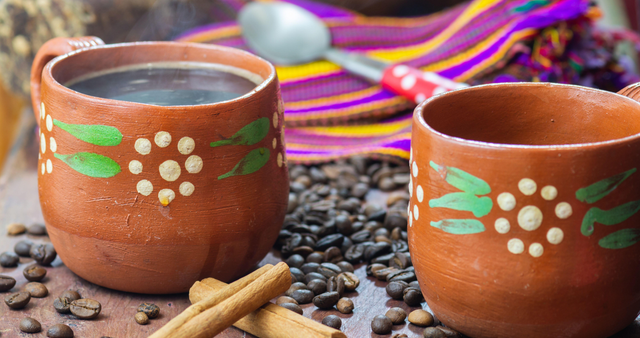
The traditional preparation is Café de Olla, which translates to coffee from the pot. This method has been part of Mexican food culture for centuries.
The core Mexican coffee ingredients in Café de Olla are simple: ground coffee, water, piloncillo, and cinnamon. Piloncillo is unrefined cane sugar with a deep, molasses-like sweetness. A clay pot is the traditional vessel. Water, piloncillo, and cinnamon are brought to a simmer first, then ground coffee is added and steeped before straining.
The result is a warm, spiced cup with natural sweetness that tastes like something rooted in a specific place and tradition. Some versions include cloves, star anise, or orange peel depending on the region.
Popular Mexican Coffee Drinks Like Cafe de Olla
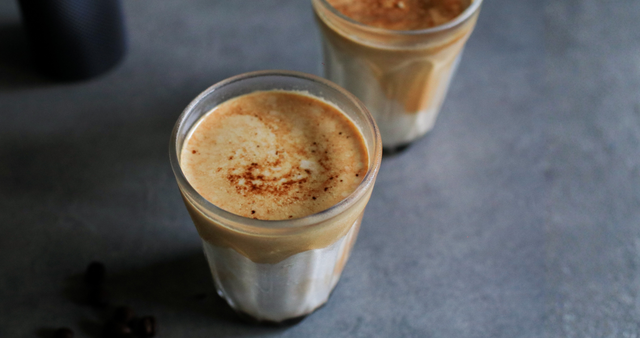
Café de Olla is the most well-known preparation, but the culture goes further. Beyond Café de Olla, it includes café con leche at breakfast, café negro served in small concentrated cups similar to espresso, and in Veracruz, coffee served in glass cups with sweetened condensed milk. Each preparation reflects the regional character of where the coffee was grown and the people who drink it daily.
How to Choose and Brew Quality Mexican Coffee at Home
Choosing quality Mexican coffee starts with transparency. Look for single-origin or cooperatively sourced options with clear information about origin and farming practices. USDA Organic certification is a strong indicator of clean farming, and direct trade sourcing ensures fair compensation for producers.
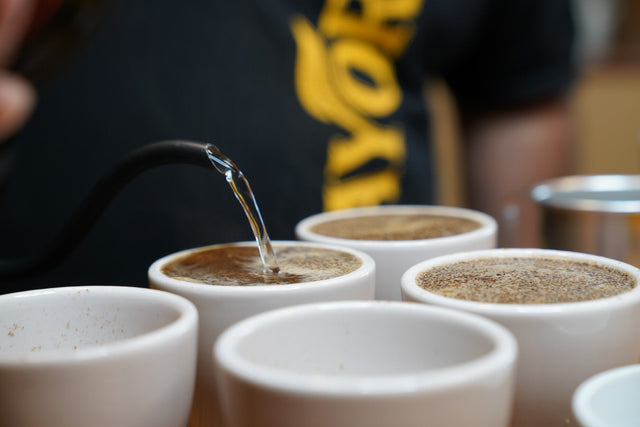
This origin works well across all brewing methods. Pour over highlights its natural sweetness and clean finish. Drip is consistent for daily use. For an authentic experience, try Café de Olla with piloncillo and cinnamon on the stovetop. Whatever method you choose, grind fresh right before brewing.