What Is a Cappuccino? Understanding This Classic Coffee Drink
So, what is a cappuccino? A cappuccino is an espresso-based drink made with espresso, steamed milk, and a thick layer of milk foam on top. Traditionally, it’s made with equal parts of each, resulting in a drink that is strong, rich, creamy, and airy without overpowering the espresso.
While the cappuccino we know today is closely tied to the Italian variation, its origins actually trace back to Austria. An early drink called the Kapuziner inspired what would eventually become the modern-day cappuccino. As espresso machines became more popular and common in Italian cafes and homes, baristas took it upon themselves to reinvent the drink using espresso, steamed milk, and milk foam. Creating the classic, now globally recognized and served in cafes all around the world.
How a Traditional Cappuccino Is Made & Why the Balance Matters
A traditional cappuccino is typically made by using an espresso machine, whether it’s a manual, semi-automatic, or fully automatic machine. The process starts by forcing hot water through finely ground coffee under high pressure to extract a concentrated shot of espresso. This creates the famously bold, flavorful base that gives a cappuccino its signature coffee-forward taste.
Next, cold milk is steamed while introducing air through the steam wand, which we'd call aerating. As the milk heats, it’s aerated to create tiny microbubbles that give it a smooth, velvety “eggshell” texture. Compared to a cafe latte, milk for a cappuccino is usually aerated a little longer to produce a thicker layer of foam while still keeping the silky texture rather than dry or bubbly.
Once both components are ready, they’re combined using the traditional 1:1:1 ratio. One third espresso, one third steamed milk, and one third milk foam.
That balance is what makes a cappuccino unique. The espresso provides bold flavor and body, the aerated milk softens the coffee’s bitterness while adding natural sweetness (yes! Milk can be slightly sweet due to natural sugars), and the milk foam creates a light and airy texture that changes the overall drinking experience. Each plays an equal role, creating a handcrafted drink that is rich, creamy, and airy all at the same time.
How to make a cappuccino at home with simple equipment and ingredients
You don’t need an expensive espresso machine to enjoy a cappuccino-style drink at home. While traditional cappuccinos are made with espresso, you can still create a similar experience with whatever brewing method you have available to you right now!
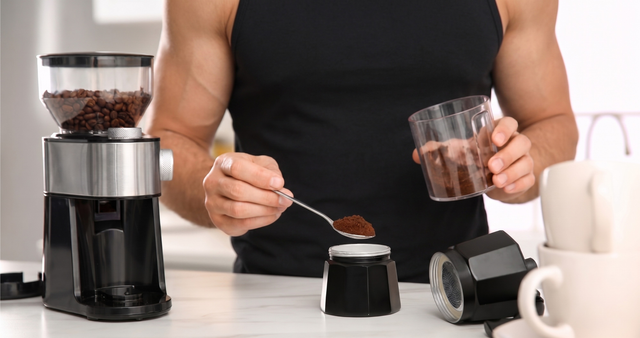
A Moka Pot is one of the closest alternatives because it produces a strong, concentrated coffee, but an AeroPress, Nespresso machine, or even a strong cup of drip coffee can work, too.
The key here is creating the milk foam. If you do not have an espresso machine with a steam wand, you can start by heating up your milk in the microwave or on the stovetop, then use a hand-held milk frother, electric milk frother, or even a French press to froth it. The goal is to create that light, airy foam that gives the drink its signature texture.
Once your coffee is brewed and ready, pour in the warm milk and finish it off with a generous layer of milk foam on top. While it may not be a traditional cappuccino, you’ll still get the creamy, airy texture that makes a cappuccino so enjoyable, without needing professional equipment.
Cappuccino Variations: Iced, Flavored & Dairy-Free
One of the best things about espresso-based drinks is how easy they are to customize to your preferences. If you enjoy flavored coffee, you can add syrups like vanilla, caramel, hazelnut, or mocha before pouring in the milk. Spices like cinnamon, nutmeg, or cocoa powder also make a great finishing touch without changing the classic texture.
If you’re dairy-free, you can swap out the traditional milk for a plant-based alternative. Oat milk and soy milk are two of the best options because they froth well and create a creamy foam that’s similar to dairy milk. Many barista-style plant milks are specifically designed to steam and foam even better, making them a great choice for a homemade cappuccino.
If you’d like to try a refreshing iced version of a cappuccino, simply pour espresso over ice and top it off with cold-frothed milk instead of steamed milk. Similarly, if you do not have an espresso machine, a Moka Pot or another strong coffee works well, too, like strongly brewed iced coffee or cold brew. Finish with a layer of cold foam on top to recreate the light, airy texture that makes a cappuccino so recognizable.