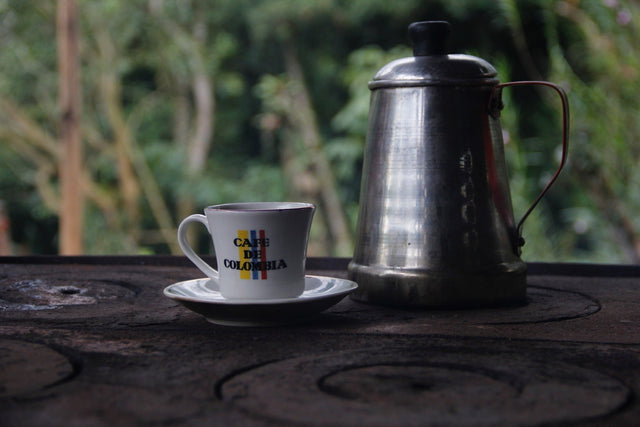
Coffee Before Workout: Does It Improve Performance?
If you have ever felt sharper and more energized at the gym after a morning cup, that is not a coincidence. Coffee before workout has become one of the most researched topics in sports nutrition, and the science supports what millions of athletes have discovered on their own.
Drinking Coffee Before Workout and How it Affects Performance
Drinking coffee before workout affects the body in several measurable ways. Within 30 to 60 minutes of consumption, caffeine is absorbed into the bloodstream and begins acting on the central nervous system. It blocks adenosine receptors, responsible for signaling fatigue, which reduces the perception of effort and allows you to push harder before feeling tired. Studies consistently show that caffeine improves output across endurance, strength, and high-intensity training. This is well-documented in peer-reviewed research and is why caffeine has been used as a performance aid for decades.
Is Coffee a Good Pre Workout and How Caffeine Before Workout Works
Is coffee a good pre workout? For most people, yes. And it compares favorably to commercial pre-workout supplements. The core ingredient in most of those products is caffeine, which coffee delivers naturally alongside antioxidants.
Caffeine before workout works by targeting the central nervous system. It reduces perceived exertion, stimulates adrenaline release, mobilizes fat stores for energy, and sharpens focus. Research published in the Journal of the International Society of Sports Nutrition found significant improvements in endurance performance, power output, and reaction time.
Coffee pre workout has one key advantage over supplements: it is a whole food source with predictable caffeine content and no artificial stimulants or proprietary blends. A clean, organic cup delivers caffeine alongside chlorogenic acids and beneficial compounds without the additives found in many commercial products.
Benefits of Black Coffee Before Workout for Endurance and Focus
Black coffee before workout is the most studied form of pre-exercise caffeine because it delivers caffeine without added sugar or calories that could slow digestion.
The benefits are well-documented:
-
Endurance: A meta-analysis in the British Journal of Sports Medicine found an average 11 to 12% improvement in endurance performance with caffeine.
-
Strength: Research shows caffeine increases muscle endurance and maximum output; more reps and more weight before reaching failure.
-
Focus: Caffeine reduces mental fatigue and improves reaction time, especially valuable for sports requiring quick decisions.
-
Fat oxidation: Black coffee before workout may increase the rate at which the body burns fat during moderate-intensity exercise.
At Mayorga, our dark roasts like Cubano Roast and Muy Macho deliver a consistent caffeine profile; just organic coffee, slow roasted using our signature Latin method.
Coffee Before or After Workout and the Best Timing
The coffee before or after workout question depends on your goal.
For performance, before is more effective. Caffeine consumed 30 to 60 minutes before training reaches peak concentration right when you need it most.
Coffee before or after workout for recovery: post-exercise caffeine alongside carbohydrates can accelerate muscle glycogen replenishment. However, caffeine too close to bedtime disrupts sleep, when most repair happens. If you train in the evening, skipping post-workout coffee is the wiser call.
The consensus from sports nutrition research: coffee before workout delivers more direct performance benefit, while post-workout timing requires careful planning around your sleep schedule.
How Much Coffee Pre Workout is Safe and Effective
Research on coffee pre workout dosing points to a clear range: 3 to 6 milligrams of caffeine per kilogram of body weight. For most adults, this means one to two cups consumed 30 to 60 minutes before training.
Starting on the lower end is wise if you are new to this approach. More is not always better; doses above 9 milligrams per kilogram increase side effects without producing additional benefits. A standard 8-ounce cup contains roughly 80 to 100 milligrams of caffeine, putting two cups well within the effective range for most people.
Potential Side Effects of Drinking Coffee Before Workout
Drinking coffee before workout is well-tolerated by most people, but side effects are possible at higher doses or in caffeine-sensitive individuals. Common issues include jitteriness, elevated heart rate, anxiety, and gastrointestinal discomfort, particularly on an empty stomach. Starting with one cup and eating a light snack beforehand shows typical amounts do not cause meaningful dehydration. Staying hydrated is a good practice regardless.
People with heart conditions, anxiety disorders, or high caffeine sensitivity should consult a doctor before making coffee a regular pre-workout habit.