What Is Mocha? Everything You Need to Know
If you have ever ordered a mocha at a coffee shop and wondered exactly what you were getting, you are not alone. What is mocha, how it is made, and what makes it different from everything else on the menu? This guide covers all of it.
What is Mocha and How It Differs From Regular Coffee Drinks?
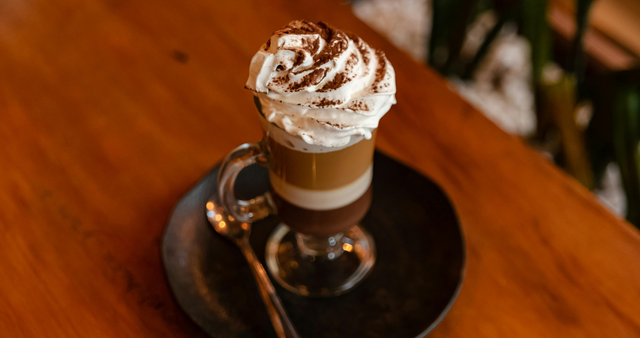
What is mocha? It is a coffee drink that combines espresso with chocolate and steamed milk. Unlike drip coffee or a straight espresso, a mocha introduces a third flavor element that changes the character of the drink entirely. It sits in its own category; not purely coffee, not purely chocolate, but a combination that has become one of the most popular coffee drinks in the world.
What is a Mocha Coffee and the Ingredients Used to Make It?
What is a mocha coffee made of? Three components: espresso, chocolate, and steamed milk.
The espresso is the foundation. One or two shots provide the coffee base. The strength and quality of the espresso matters: a poorly extracted shot will make the whole drink taste flat or bitter even with chocolate added.
The chocolate comes in a few forms. Most coffee shops use chocolate syrup or mocha sauce. Some use cocoa powder mixed with hot water to form a paste. Higher-end preparations use melted dark chocolate or ganache, which produces a richer and less sweet result.
Steamed milk ties everything together. The quantity varies, but a standard mocha uses roughly the same amount of milk as a latte, with the chocolate mixed into the espresso before the milk is added. Most are finished with whipped cream, though that is optional.
What is Mocha Flavor and Why Chocolate Is Associated With Mocha Beverages
What is mocha flavor exactly? The term mocha originally referred to coffee from the port city of Mocha in Yemen, historically known for beans with a natural chocolatey character. Over time, mocha became synonymous with the combination of coffee and chocolate rather than a specific origin.
Today, “what is mocha flavor?” refers to that blend of coffee bitterness and chocolate sweetness. The two complement each other because they share underlying flavor compounds; both coffee and cacao contain similar aromatic molecules, which is why they taste natural together. The result is deeper and more complex than either ingredient alone.
Does Mocha Have Milk and How Milk Contributes to Its Taste and Texture
Does mocha have milk? In almost every standard preparation, yes. Milk is what separates a mocha from simply mixing espresso with chocolate sauce. Steamed milk softens the intensity of both the espresso and the chocolate, creating a smoother, creamier drink with a texture neither ingredient achieves alone.
Whole milk produces the richest result. Oat milk works well as a plant-based alternative because its natural sweetness complements the chocolate. Does mocha have milk if you order it dairy-free? Yes. It just uses a milk alternative instead. The drink structure stays the same.
What Does Mocha Taste Like Compared to Latte, Cappuccino, and Hot Chocolate
What does mocha taste like? Like a latte with chocolate added, but that undersells. The chocolate changes the experience significantly; it adds sweetness, depth, and richness that a plain latte does not have.
Compared to a latte, a mocha is sweeter and more dessert-like. Compared to a cappuccino, it is creamier and less intense. Compared to hot chocolate, it is less sweet with a notable bitterness from the espresso. What does mocha taste like for someone who rarely drinks coffee? Much closer to hot chocolate than black coffee: approachable, sweet, and rich.
Popular Mocha Variations and Ways to Enjoy Mocha at Home
Beyond the classic, mocha has a wide range of variations. Iced mocha uses cold milk and ice. White mocha replaces dark chocolate with white chocolate sauce for a sweeter result.
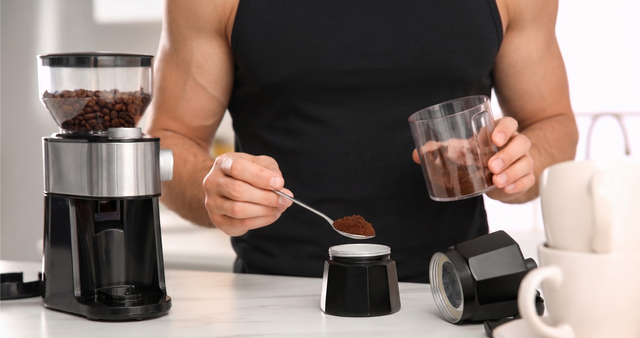
At home, a mocha is straightforward. Brew two espresso shots, stir in a tablespoon of chocolate syrup or cocoa paste, add steamed milk, and finish with whipped cream if you like. Using a quality dark roast makes a significant difference in the final flavor.