How to Make Pour Over Coffee: A Beginner's Guide
Pour over coffee is one of the most rewarding brewing methods you can learn. It gives you control over every variable, produces a clean and nuanced cup, and once you understand the basics, it becomes part of a morning routine you will actually look forward to.
What Is a Pour Over Coffee
A pour over coffee is a manual brewing method where hot water is poured slowly over ground coffee in a filter, allowing gravity to draw the water through into a vessel below. Unlike drip machines, pour over puts the brewer in control of water flow, timing, and extraction. The result is a cleaner, brighter cup that showcases the natural characteristics of the coffee. For single-origin coffees with complex flavor profiles, it is often the best way to taste what the origin and roast actually have to offer.
Coffee Grind for Pour Over and Why It Matters
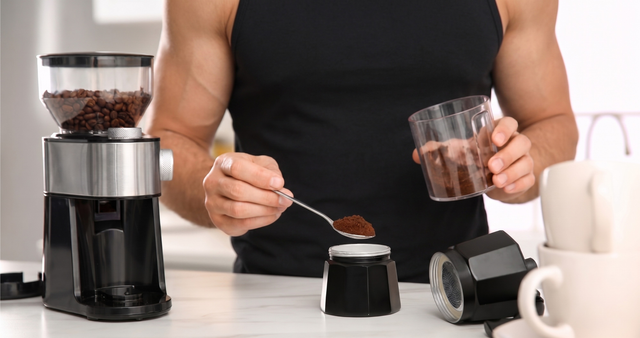
The coffee grind for pour over is one of the most important variables to get right. A medium to medium-fine grind is the starting point, roughly the texture of coarse sand. Grind size controls how quickly water moves through the grounds and how much flavor is extracted.
Too fine and the cup turns bitter. Too coarse and it tastes weak or sour. The right coffee grind for pour over sits between those extremes. Always grind fresh right before brewing. Pre-ground coffee loses its aromatics quickly, and this method is sensitive enough to show that in the cup.
Pour Over Coffee Ratio for Balanced Extraction
Getting the pour over coffee ratio right is the difference between a flat cup and one that tastes the way it should. The standard is 1:15 to 1:17, one gram of coffee for every 15 to 17 grams of water. A 1:15 pour over coffee ratio produces a fuller cup. A 1:17 ratio is lighter and more delicate.
Start with 25 grams of coffee to 375 grams of water. If the cup is too strong, use less coffee. If it tastes thin, add more. Using a scale makes this repeatable. Once you find what works for your taste, the process becomes consistent every morning.
How to Brew Pour Over Coffee Step by Step
Learning how to brew and pour over coffee well comes down to consistency. Here is the full process:
What you need
-
Pour over dripper
-
Paper filter
-
Gooseneck kettle
-
Scale
-
Timer
-
Freshly ground coffee
Here’s how to do it:
-
Bring water to 200 to 205 degrees Fahrenheit. Let it rest 30 seconds off the boil.
-
Place the filter in the dripper and rinse with hot water. This removes the paper taste and preheats the vessel. Discard the rinse water.
-
Add your ground coffee, level it gently, and tare the scale to zero.
-
Start your timer and pour just enough water to saturate all the grounds, roughly twice the weight of your coffee. Let it bloom for 30 to 45 seconds to release CO2 and prepare the grounds for even extraction.
-
Pour the remaining water in slow, steady circles from center outward, in two or three stages with 15 to 20 seconds between each. Total brew time should be 3 to 4 minutes.
-
Once the water drains fully, remove the dripper and serve immediately. That is how to brew and pour over coffee the right way.
Best Coffee for Pour Over and Flavor Considerations
The best coffee for pour over is ultimately the one you enjoy most. All roast levels work with this method: light, medium, and dark. What changes is what the pour over highlights. A lighter roast will showcase brightness and fruit notes. A darker roast will bring out depth and body. The method does not limit the coffee; it reveals it.
At Mayorga, our best-selling blends are a great starting point. Cubano Roast delivers a bold, full-bodied cup with notes of vanilla and a smooth, sweet finish. Artesano Blend is smooth, nutty, and balanced; the kind of coffee that works any time of day. Buenos Días is bright and naturally sweet, with passion fruit and orange notes that come through cleanly in a well-brewed cup. And Decaf Cubano brings all the character of our signature Cubano without the caffeine.
If you want to go deeper, our single-origin coffees are worth exploring. Colombia Santa Maria offers peach, cocoa, and caramel. Peru Amazonas brings orange, chocolate, and almond. Guatemala La Hermosa delivers dark chocolate, brown sugar, and stone fruit.
All of our coffees work across all brewing methods. Pour over is just one way to discover what each one has to offer.
The best coffee for pour over starts with roast level
Common Mistakes and How to Avoid Them
Small errors produce consistently disappointing results. Here are the most common mistakes:
-
Skipping the bloom. Without it, CO2 disrupts even extraction and flattens the flavor.
-
Pouring too fast. Rushing creates channeling, where water finds the path of least resistance instead of moving evenly through the grounds.
-
Using water that's too hot. . Let it rest 30 seconds off the boil. Boiling water pulls harsh flavors.
-
Not rinsing the filter. Adds a papery taste that is subtle but noticeable
-
Ignoring brew time. If it takes less than 3 minutes or more than 4, adjust grind size before changing anything else.